“When I took over this role, there was so much disparity between Aboriginal and non-Aboriginal people in terms of transplantation. Something needed to be done.”
For Nicholas (Nick) Corsair, Transplant Coordinator with Kimberley Renal Service (KRS) a wholly-owned subsidiary of Kimberley Aboriginal Medical Services (KAMS), tackling systemic inequity shapes his work every day.
Aboriginal people remain significantly overrepresented in renal replacement therapy as chronic kidney disease rates rise across Western Australia. Yet despite this burden, Aboriginal people are underrepresented on transplant waiting lists and among transplant recipients.
Improving transplant outcomes for Aboriginal patients required more than clinical effort – it demanded a systemic redesign based around the lives of patients.
That redesign is already delivering results. Since 2020, 26 kidney transplants have been achieved for Kimberley patients, after years without a single one.
Fixing the front door
A starting point in this shift was strengthening early assessment. Ideally, patients should be assessed for transplant suitability before dialysis begins. This allows patients to complete the intensive “work-up” process early and be activated on the waiting list as soon as needed. However, when Nick commenced this work many patients had never been assessed at all.
“In some cases, patients had been on dialysis six, seven, eight years and never been assessed for transplant,” Nick said.
Without assessment, there is no pathway forward. Patients are excluded from transplant consideration, losing years to dialysis and missing opportunities for life-changing surgery.
The KRS team introduced a continuous quality improvement process to review every patient on renal replacement therapy within six months. Each patient is now given a clear transplant status.
Where barriers such as smoking or weight are identified, patients are linked with local support to help them address these issues and are regularly reassessed.
“It’s about getting people active on the waitlist. We can’t match the kidneys with patients unless they are on the list.”
Even once patients are assessed, access barriers can persist – particularly in the transplant work-up process. While metropolitan patients might complete this within months, for Kimberley patients it can take significantly longer due to limited specialist outreach, infrequent clinics, and the need for travel over 2,000 kilometres to Perth for key investigations.
“You can see how that stretches the work-up time,” Nick explained.
Coordination was another major obstacle. Previously managed from Perth, patient work up appointments were scheduled without local input, often conflicting with dialysis schedules, cultural obligations, or family responsibilities. This often led to missed appointments and patients disengaging from the process as they didn’t feel their needs were being seen or heard.
Moving that coordination role locally has transformed the experience for patients. Being on the ground has allowed Nick to contact patients directly, explain procedures, and organise appointments in ways that aligned with their lives. Multiple tests could be scheduled together, reducing travel burden and time away from Country.
Nick and his team have also worked directly with specialists so that they better understood the extra complexity and challenges facing their patients, which resulted in clinicians opening additional appointment slots for Kimberley patients.
The result was a significant drop in “Did Not Attend” rates and improved progression through the transplant pathway.
Ensuring cultural safety was practised throughout the process was also critical.
Previously, patients were asked to join large metropolitan education sessions remotely, often held late at night and delivered using highly medicalised language. Many found this intimidating and didn’t participate or speak up during sessions – a response often misinterpreted as disinterest in receiving a transplant.
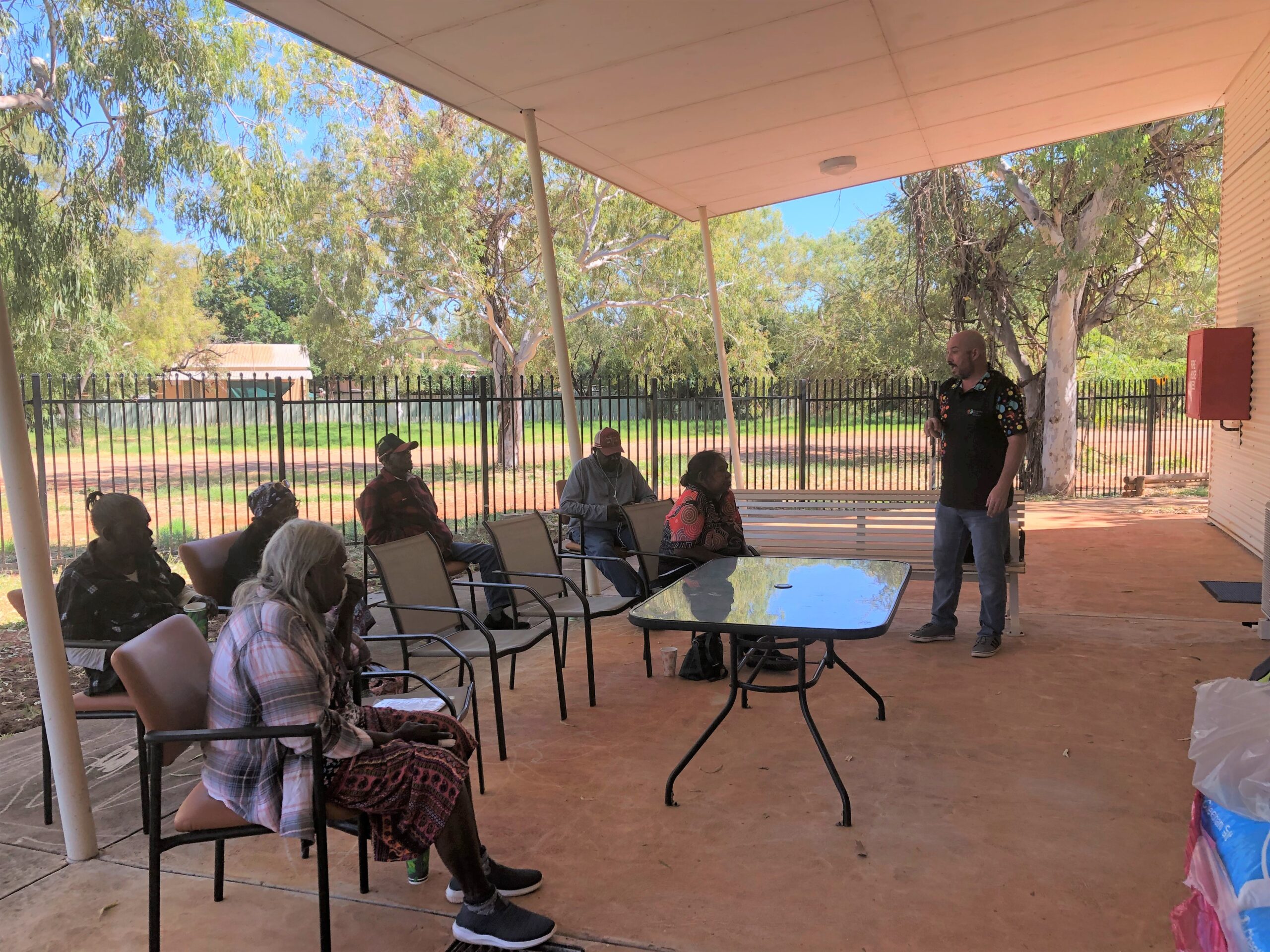
The KRS team replaced these sessions with small, face-to-face education delivered locally, supported by Aboriginal care coordinators.
A major change was the inclusion of “expert patients” – community members who had undergone transplantation and could share their lived experience. “That’s what really resonates,” Nick said.
All of these changes have led to profound improvements: reduced non-attendance at appointments, stronger commitment to making necessary lifestyle changes, and patients who are optimistic about transplantation. Where once the belief was that “Aboriginal people don’t get transplants,” there is now growing trust in the system and its outcomes.
The hidden burden of recovery
After receiving a transplant, patients must remain in Perth for at least three months, separated from family and Country, which can take an enormous emotional and cultural toll.
To address this, KAMS successfully advocated for extended escort support to be available for patients while recuperating from transplants. Having a trusted support person helps patients manage the complex medication regimens, frequent appointments, and the mental health impacts of treatment.
“Patients would try to return early because they would feel overwhelmed, but with an escort, they are much more settled…which means they return to community more stable and healthy,” Nick said.
Follow-up care has also improved. Once back in the Kimberley, patients now receive monthly reviews rather than quarterly, allowing earlier detection of complications and stronger ongoing support.
The changes implemented by the KRS team have shown that poor transplant outcomes in Aboriginal patients were caused by systemic gaps, rather than the behaviour of individual patients.
As Nick emphasises, success depends on adapting the system to patients – not the other way around. “It’s about changing our system to fit around the patient…that’s what works.”
The Kimberley model highlights what is required to improve transplant outcomes for remote Aboriginal patients: early assessment, providing support to address modifiable health factors, regional service delivery, local coordination, culturally safe education, and practical supports such as escorts and accommodation.
At its core, equity is not about delivering identical services. It is about delivering the right care, in the right place, in ways that patients can access and trust.
“We just want to make sure that our patients are getting the same outcomes as non-Aboriginal patients,” Nick said.